
IVF Prep Timeline: What To Do In The 3 Months Before Egg Collection
If you’ve been handed an IVF start date and immediately opened seventeen browser tabs, you’re not alone. Between supplement stacks, dietary overhauls, acupuncture schedules, and the general pressure to “optimise everything,” it’s easy to feel like you’re already doing IVF wrong before you’ve even started.
Here’s what actually matters: consistency. The most useful thing you can do in the months before egg collection isn’t finding the most elaborate protocol - it’s building sustainable habits over enough time for them to make a real difference.
This 12-week IVF prep timeline is designed to help you do exactly that. It’s built around what’s realistic, manageable, and genuinely supportive - not around doing everything perfectly.
|
The short version
|

Why does the 3-month window matter?
The 3 month time frame gives you enough time to impact your egg health. An egg (oocyte) develops over several months before it’s collected, and the environment it matures in - including your nutritional and antioxidant status - is shaped by what’s happening in your body during that lead-up period.
This is why we suggest approximately 12 weeks as a meaningful starting point for preconception support. The habits you build during this window create the conditions for your body to be as supported as possible heading into your cycle.
The principle: set up the foundations now that your future egg collection can benefit from.

Your 12-week IVF prep timeline
Weeks 12 to 8: Build your foundations
Goal: consistency over perfection. This is your “set and maintain” phase. The aim isn’t to do everything flawlessly - it’s to establish habits you can actually sustain for the next three months.
Nutrition: Aim for a steady eating rhythm rather than a dramatic overhaul. Think protein at most meals, plenty of colourful vegetables and fruit, fibre for gut health, and consistent hydration. You don’t need a special diet... you need a reliable one. Research on eating patterns and IVF has identified an overall Mediterranean style diet may support improved outcomes.
Antioxidant-rich foods to focus on: berries (blueberries, strawberries, raspberries), leafy greens like spinach and kale, walnuts, dark chocolate (yes, really), tomatoes, and colourful capsicum. These foods support your body’s natural antioxidant defences - which is exactly what you’re aiming to build during this phase.
Movement: Gentle to moderate exercise most days. This probably isn’t the time to start training for a marathon or push into high-intensity regimes you haven’t maintained before - but if that's your current jam, go with what works for your body.
Sleep: Chronically underrated. Sleep consistency - going to bed and waking at similar times each day - supports hormone production & overall health.
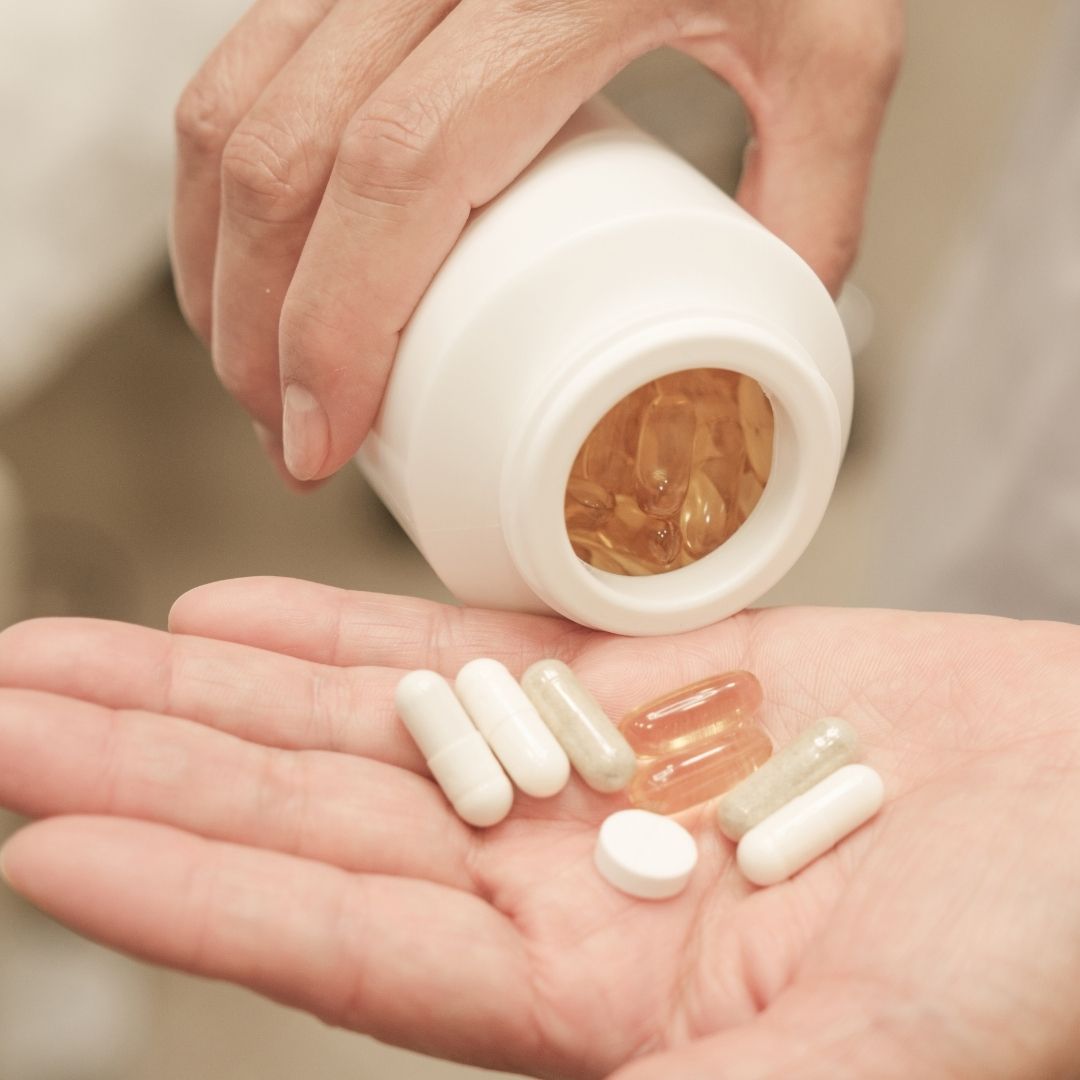
Supplements: Starting a supplement routine now - rather than um, two weeks before collection - allows your body time to actually benefit from consistent intake. Common inclusions at this stage include:
-
A prenatal multivitamin as a baseline
-
Omega-3 fatty acids (note: most clinics ask you to pause these at least one week before egg retrieval due to blood-thinning effects)
-
Vitamin D, if bloodwork shows a deficiency
-
Targeted preconception antioxidant support - ingredients like coenzyme Q10 (CoQ10), vitamin E and nicotinamide riboside are increasingly discussed in the context of preconception health support. In particular, CoQ10 is often integrated into IVF prep - see the research.
The key principle: more isn’t more. A clean, consistent routine beats an overwhelming stack you’ll struggle to maintain.

Weeks 8-4: Maintain and optimise what’s working
Goal: stay consistent and reduce decision fatigue. This is not the phase to start adding new supplements or making significant changes. If your routine is working, the most important thing you can do is keep going.
Nutrition: Keep meals regular. Blood sugar stability - which comes from eating protein and fibre consistently throughout the day - is genuinely underrated when it comes to hormonal health. You don’t need a special protocol; you need a steady rhythm. Research on insulin resistance and fertility outcomes shows how blood sugar dysregulation could interfere with hormone secretion and reproductive health - another reason this is worth prioritising.
High-fibre foods to lean into: flaxseeds (ground is best - add to smoothies, yoghurt or oats), legumes like lentils, chickpeas and black beans, oats, avocado, and cooked vegetables. Good fibre intake supports gut health and blood sugar.
Stress management: IVF is stressful, and pretending otherwise isn’t helpful! The goal isn’t zero stress - it’s supported stress. Whether that’s a therapist, a trusted friend who gets it, a journal, or a restorative activity you actually enjoy, find what works and make room for it.
Supplements: Stay the course. Resist the urge to add new things because you read something in a forum at midnight.

Weeks 4-2: Lock in the logistics
Goal: reduce mental load before stims start. This phase is less about health habits and more about preparation - because if you’ve been through stims before, you know it can feel like a part-time job.
-
Add all upcoming scans and blood tests to your calendar
-
Confirm your medication plan and organise pharmacy pickups
-
Prepare easy meals in advance if you tend to lose motivation to cook when you're feeling a bit blah
-
Let the people in your immediate support circle know what’s coming so they can show up for you
The calmer and more organised you feel heading into stimulation, the more bandwidth you’ll have when things get demanding.

Stimulation and egg collection: steady as she goes
Goal: support your body, don’t experiment with it. Once you’re in stimulation, your medical team is directing the show. Your job is to maintain your routine and take care of the basics:
-
Hydration - especially important during stims. Natural electrolyte sources: coconut water, bone broth, banana, watermelon, and foods with a natural pinch of sodium like olives or a good quality sea salt on meals. If you’re feeling particularly depleted, an electrolyte supplement may be a convenient option.
-
Regular meals, smaller and more frequent if nausea or bloating becomes an issue
-
Fibre and fluids - constipation is a common and uncomfortable side effect!
-
Gentle movement as per your clinic’s guidance
-
Rest - your body is working hard.
Resist the urge to start anything new supplement-wise during this phase unless your doctor has specifically recommended it.

What about the two-week wait?
The two-week wait after a transfer is its own kind of challenge. Your clinic’s guidance always comes first; most will advise you what to continue and what to pause, depending on your individual protocol and any medications you’re taking. For many people, maintaining the core routine they’ve built over the previous 12 weeks is the approach their care team supports during the wait. When in doubt, ask your specialist directly.
→ Want more info? Read our blog with all our tips for surviving the two-week wait

Frequently asked questions
How long before IVF should I start preparing?
Ideally, around 12 weeks (3 months) before your egg collection. This timeframe aligns with the stages of follicle development, meaning the habits and nutrients you build consistently during this window can support the environment your eggs mature in. If you have less time, start now - consistency still helps.
What supplements are commonly taken before IVF egg collection?
A prenatal multivitamin is typically considered the baseline. Many people also discuss targeted preconception antioxidant support with their specialist - ingredients like CoQ10 (ubidecarenone), Vitamin C, Vitamin E, alpha lipoic acid, and nicotinamide riboside are commonly researched in the context of preconception and reproductive health.
Can I take a preconception supplement and a prenatal at the same time?
In many cases, yes. A prenatal covers foundational pregnancy-related nutrients, while preconception antioxidant support is typically aimed at the lead-up phase - supporting reproductive system health and oxidative balance. The key is avoiding unnecessary overlap between products, and following your clinic’s guidance, especially if you’re on other medications.
When should I stop supplements before IVF?
This depends on your clinic’s protocol and the specific supplement. Omega-3s are often paused at least one week before egg retrieval due to blood-thinning effects. If in doubt, ask your healthcare team.
Is it too late to start if my cycle is less than 3 months away?
No, it’s not too late. While the 12-week window is ideal, starting now still supports your overall nutritional status and routine. The best plan is the one you can actually follow consistently between now and your collection.
What lifestyle changes matter most before egg collection?
The biggest needle-movers are usually: sleep consistency, regular meals with adequate protein, gentle movement, avoiding alcohol, and realistic stress management. Aim for changes that are repeatable, sustainable is more powerful than perfect.
Should I change my diet before IVF?
Most people don’t need a total overhaul - and who wants that right before you start IVF?! Focus on a steady rhythm: protein at meals, plenty of colourful plant foods, fibre for gut health, and hydration. If you want personalised guidance, a dietitian or nutritionist can help tailor this to your needs and any clinic recommendations.
Can supplements support preconception health ahead of IVF?
Supplements can help support your body’s nutritional and antioxidant status in the lead-up to IVF, but they’re not a guarantee and they don’t replace medical care. The most helpful approach is evidence-informed choices, started early, and taken consistently alongside a supportive lifestyle.
Just a heads up: This article is for general informational purposes only and does not constitute medical advice. Always consult your healthcare team before starting or changing any supplement or lifestyle routine, particularly during IVF treatment.
Related reading from arxi
→ Coenzyme Q10 and preconception health
→ Vitamin C and reproductive health support
→ NAD+ and nicotinamide riboside for preconception support